Are your trees prepared to withstand strong winds and storms? In coastal and Lowcountry regions like Bluffton and Beaufort County, severe weather is a regular part of life. And high winds can put significant stress on your trees, threatening their stability, health, and even the safety of your property.
The good news is that with proper care and preventative strategies, property owners can greatly reduce the likelihood of storm-related tree damage and help their plants remain strong and beautiful year-round. Follow our arborist-approved tips for protecting your trees from strong winds in South Carolina today!
Why Strong Winds Are So Damaging to Trees
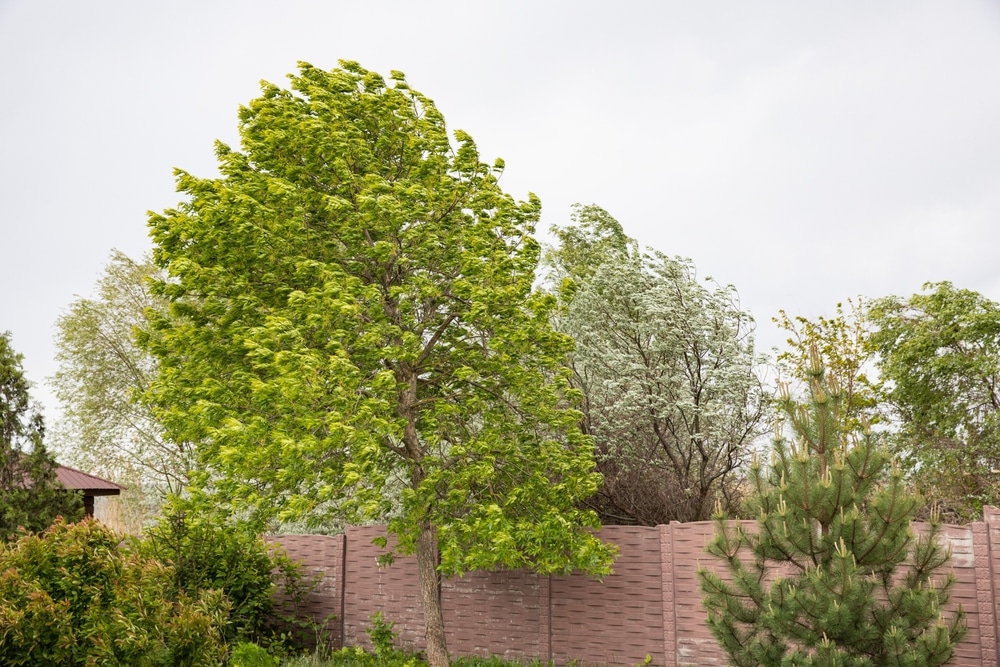
One of the primary reasons wind is so damaging is the sheer leverage it creates. Large canopies act like sails, catching wind and transferring that force down through the branches and trunk to the root system. If the roots are shallow, compromised, or growing in saturated soil, the tree may not have enough stability to stay upright. The result is a downed tree, sometimes on important structures or pathways!
Even if the wind doesn’t take down the entire tree, it can still cause weak branches to snap off and fall on your property. In fact, turbulent wind is exceptional at finding the weakest point in a tree and snapping it like a toothpick. Even on seemingly healthy trees, wind storms can have devastating consequences, thanks to unseen structural issues.
Signs Your Trees May Be Vulnerable to Wind Damage
Before the next storm rolls in, it’s important to take a close look at your trees and identify any warning signs that could indicate vulnerability. Catching these issues early can make a significant difference in preventing damage.
- Dead or Hanging Branches: These limbs are often the first to fall during high winds, posing a risk to nearby structures, vehicles, and people.
- Cracks in the Trunk: These cracks indicate structural weakness that could worsen under stress.
- Leaning Trees: While some trees naturally grow at an angle, a sudden or increasing lean can signal root instability. Exposed or damaged roots are another indicator that a tree may not be securely anchored in the soil.
- V-Shaped Crotches: Look at where major limbs attach to the trunk. A strong attachment looks like a U. A weak attachment looks like a sharp V. These V-shaped unions often have included bark (bark growing inside the joint), which prevents the wood from bonding strongly, making them prone to splitting down the middle during high winds.
If you’re unsure about the condition of your trees, it’s always best to consult a certified arborist who can assess their health and structural integrity.
Preventative Tree Care Strategies to Reduce Wind Damage
Taking proactive steps to care for your trees now helps improve wind resistance and their structural stability. This means when the next storm blows through town, your favorite plants have a better chance of surviving.
Here are our arborists’ favorite tips for protecting trees from wind damage:
Strategic Pruning
Removing dead, damaged, or weak branches reduces the likelihood of breakage during storms. Tree pruning also allows wind to pass through the canopy more easily, decreasing resistance and stress on the tree.
Utilizing Structural Supports
In some cases, structural support systems such as cabling or bracing may be recommended for trees with multiple trunks or weak branch unions. These systems provide additional stability and can help prevent splitting during storms.
Maintaining Soil Health
Healthy soil supports strong root growth, which is essential for anchoring trees during high winds. Mulching around the base of trees also helps retain moisture, regulate soil temperature, and reduce competition from grass and weeds.
Investing in Regular Inspections
Regular inspections are another key component of preventative care. Having a certified arborist evaluate your trees on a routine basis allows potential issues to be identified and addressed before they become major problems. This is especially important in areas prone to severe weather, such as Bluffton and Beaufort County, SC.
Partner With TreeWiseMen for Storm-Ready Trees
Waiting until a hurricane warning is issued to think about the state of your trees is often too late to take the necessary precautions against storm damage. True protection happens in the off-season, through careful inspections, expert pruning, and long-term health management. If you want to stay ahead of any storm-related problems, partner with the ISA-certified arborists at TreeWiseMen.
Our team is dedicated to helping property owners in Bluffton and Beaufort County, SC, maintain strong, healthy, and storm-ready trees throughout the year. With professional pruning, inspections, and customized tree care plans, we provide the expertise needed to safeguard your beloved plants.
Contact us today for professional tree care services in Bluffton and Beaufort County, SC. Let’s work together to make sure your trees are as resilient as they are beautiful.