From providing shade on hot summer days to enhancing curb appeal and supporting local ecosystems, trees are an investment that pays dividends year after year. That’s why it can be alarming for homeowners, HOAs, commercial property managers, and municipalities when trees begin losing leaves or turning brown earlier than expected.
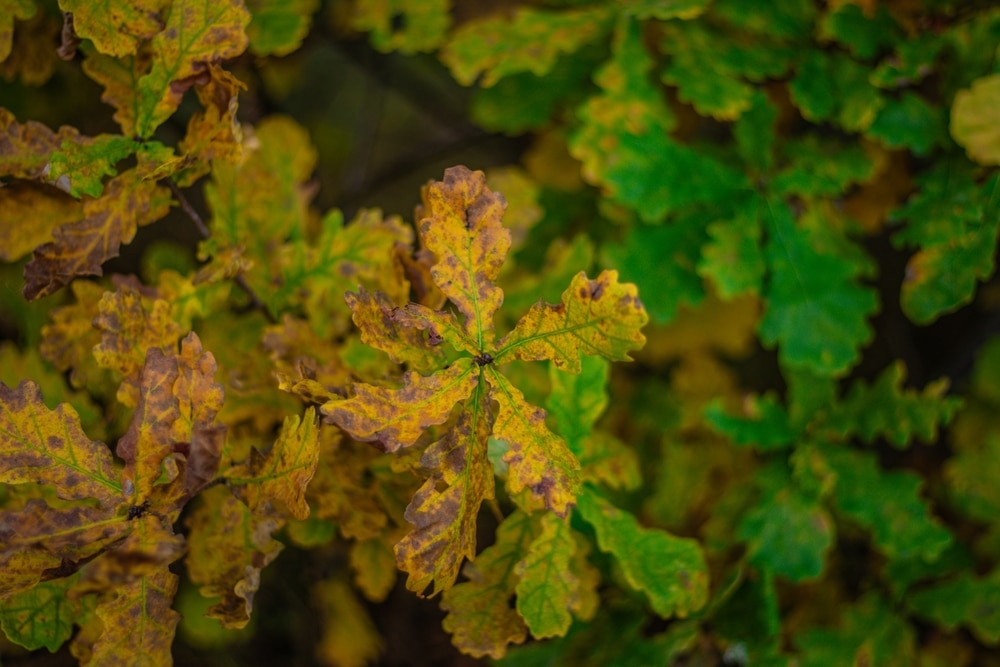
While some leaf drop and color change are part of natural seasonal cycles, premature browning and defoliation often indicate that a tree is under stress. Understanding why trees lose leaves or turn brown before the fall season is the first step toward protecting them and preventing long-term damage.
Below, we explore the most common causes of early leaf drop and browning, so that you can take action promptly and effectively.
Drought Stress
Even in regions that receive regular rainfall, trees can experience drought stress. When trees don’t receive enough water, they respond by shedding leaves to conserve energy and reduce water loss. As a result, leaves may turn yellow, brown at the edges, or drop altogether well before the fall season. Younger trees and recently transplanted trees are particularly vulnerable to drought stress, as their root systems are still developing.
It’s important to note that drought stress often develops gradually, and by the time visible symptoms appear, the tree may already be struggling. For this reason, proper watering practices and soil management are essential to help trees recover and remain resilient.
Heat Stress
Even trees accustomed to the Southern climate have their breaking point. Heat stress occurs when high ambient temperatures, combined with intense solar radiation, physically cook the delicate tissues of the leaves.
This is particularly common in trees planted near “heat islands,” areas like asphalt driveways, concrete patios, or brick walls that absorb heat during the day and radiate it back onto the tree. The double whammy of direct sun and reflected heat causes rapid evaporation and leaf desiccation. If you notice the side of the tree facing a driveway or street turning brown while the other side remains green, heat stress is the likely culprit.
Soil Compaction
Soil compaction is one of the most overlooked contributors to early leaf drop and browning. Heavy foot traffic, vehicles, construction equipment, and routine landscape activities can compress soil around tree roots, limiting oxygen and water availability.
When roots are unable to breathe or absorb nutrients efficiently, the tree becomes stressed. Early signs often include thinning canopies, leaf discoloration, and premature leaf drop. In Bluffton’s growing communities, soil compaction is common around commercial properties, HOAs, and construction sites.
Addressing compacted soil requires specialized techniques, such as root invigoration, to improve root health without causing further damage — something that is best handled by trained professionals.
Nutrient Deficiencies
Trees require a specific balance of macronutrients (nitrogen, phosphorus, and potassium) and micronutrients (iron, manganese, etc.) to thrive. Coastal soils in South Carolina can sometimes be sandy and nutrient-poor or have a pH balance that locks nutrients away, making them unavailable to the tree. These poor soil conditions or nutrient imbalances can then lead to yellowing or browning leaves.
Of course, without a soil test, it is impossible to know exactly what your tree is missing. And using store-bought fertilizer can sometimes do more harm than good by altering the soil chemistry too drastically. Instead of risking your tree’s health even further, get deep-root feeding from a certified arborist and enjoy long-term results.
Pest Infestations
Insects are another frequent cause of early leaf drop and browning. Borers, caterpillars, aphids, and scale insects, in particular, feed on leaves, stems, and internal tissues, disrupting the tree’s ability to transport water and nutrients. Some of the earliest signs include leaf spotting, yellowing, and curling. If these symptoms sound familiar, reach out to your local tree care company for proper treatment. This could prevent long-term damage and protect surrounding trees from the infestation.
Tree Diseases
Fungal and bacterial diseases, such as anthracnose and bacterial leaf scorch, can significantly impact tree health, often showing up as browning, spotting, wilting, or falling leaves. In Bluffton’s humid coastal climate, fungal diseases are especially prevalent. This is because the excess moisture, poor airflow, and compacted soil can create ideal conditions for pathogens to thrive.
In order to accurately diagnose the specific tree disease, you must partner with an ISA-certified arborist. In many cases, symptoms of bacterial and fungal diseases can resemble those of nutrient deficiencies or environmental stress, and misdiagnosis may lead to ineffective treatments or unnecessary tree removal.
Storm Damage
Strong winds, heavy rains, and tropical storms are a reality in coastal South Carolina. Damage to the canopy or root system can interrupt water and nutrient flow, leading to delayed symptoms such as browning leaves or early leaf drop weeks after the storm has passed. Thankfully, professional inspections following a storm can identify damage early and prevent future hazards.
Root Disturbance
Tree roots extend far beyond the visible canopy, making them especially vulnerable during construction, landscaping, and utility work. The resulting root disturbance eventually leads to thinning foliage, leaf browning, and premature defoliation. Unfortunately, damage to the roots is not always obvious until decline is already underway, often months or even years after the damage was done. Because of this, it’s important to partner with an arborist before, during, and after any major construction work to preserve the tree’s health.
Improper Pruning or Maintenance Practices
Pruning is an important part of tree care, but when done incorrectly, it can cause more harm than good. Over-pruning, topping, or cutting at the wrong time of year can stress trees and trigger early leaf loss, as the tree tries to conserve its energy for healing.
Solve Early Leaf Loss & Browning With Expert Solutions
When trees lose leaves or turn brown early, it’s rarely due to a single factor. Often, multiple stressors are working together, making an accurate diagnosis from an ISA-certified arborist essential.
TreeWiseMen provides expert tree care services in Bluffton, SC, and we understand the unique challenges trees face in the area and use proven methods to assess, diagnose, and treat tree health issues safely and effectively. Whether you’re managing a residential landscape, an HOA community, a commercial property, or public parks, our professional evaluations can help protect your trees.
If you’re noticing early leaf drop, browning foliage, or other signs of stress, don’t wait for the problem to worsen. Contact TreeWiseMen today and receive a customized plant health care plan designed to keep your trees healthy, resilient, and beautiful year-round in Bluffton and the surrounding Beaufort County area.